Collecting Vintage Sports Cards
A guide to pre-1980 sports cards - from tobacco-era rarities to the golden age of Topps.
Tobacco
Cards came in cigarette packs as stiffeners.
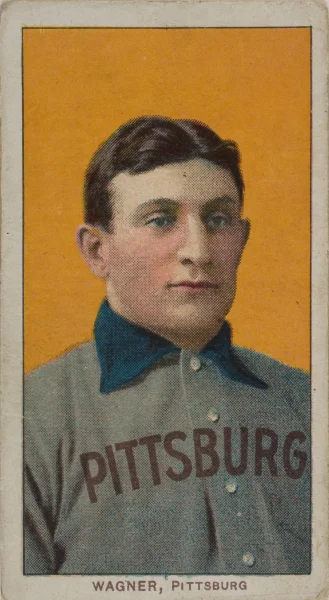
- T206 (1909 to 1911), home of the Honus Wagner, worth $7M+ in high grade
Candy and Gum
Goudey and Play Ball took over, and gum replaced tobacco.
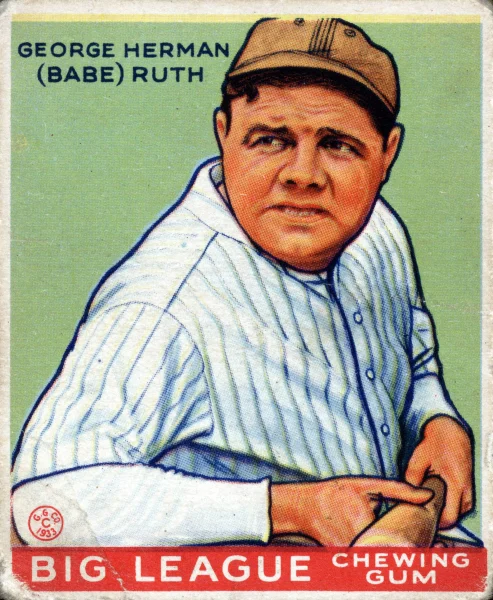
- 1933 Goudey, the first major gum set, with the first true Babe Ruth cards and Lou Gehrig
Bowman
Bowman dominated the early post-war years.
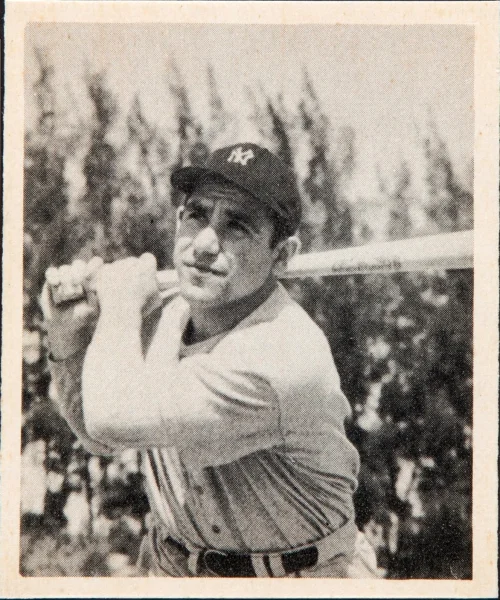
- 1948 Bowman, considered the first modern baseball set
Topps Takes Over
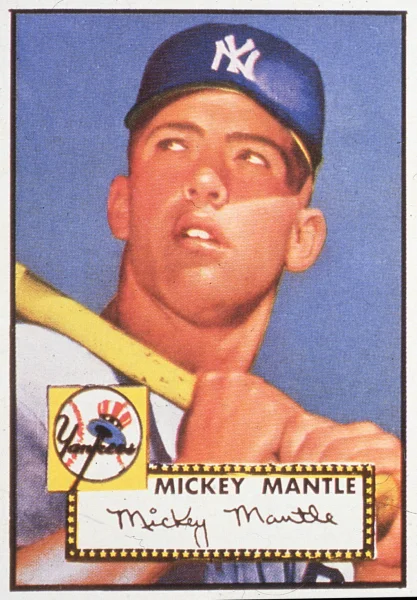
The golden age: Mantle, Mays, and Aaron. Topps famously dumped unsold 1952 high-number cases into the Atlantic Ocean, which is why they're so scarce today.
- 1952 Topps, with the most famous post-war card in Mickey Mantle
- 1955 Topps, the first horizontal designs and the Roberto Clemente rookie
- 1963 Topps Pete Rose rookie and 1968 Topps Nolan Ryan rookie
Late Vintage
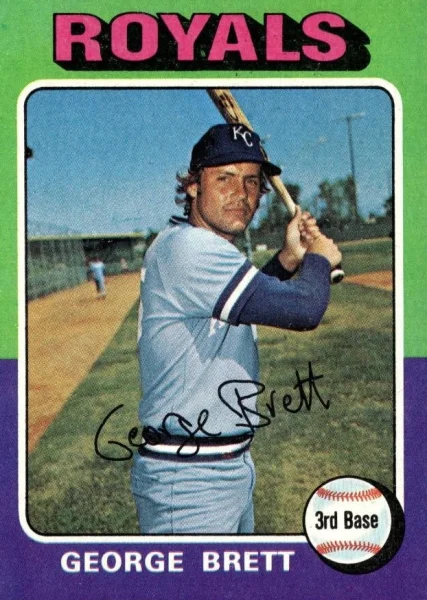
Sometimes counted as vintage. Better print quality and more affordable.
- 1975 Topps, the colorful set with George Brett's rookie card
Mass Production
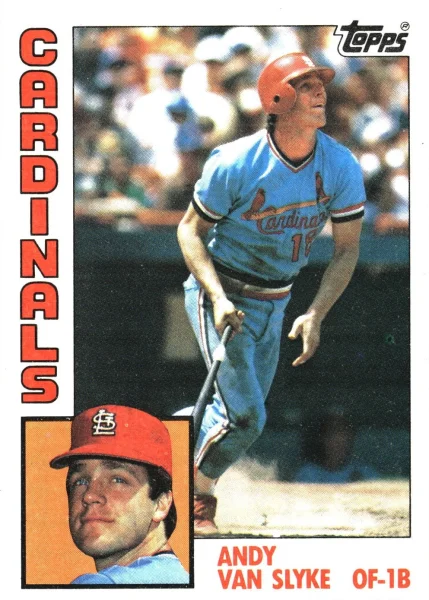
Print runs soared, which is why most collectors draw the vintage line at 1980.
- 1984 Topps, like this Andy Van Slyke
Current
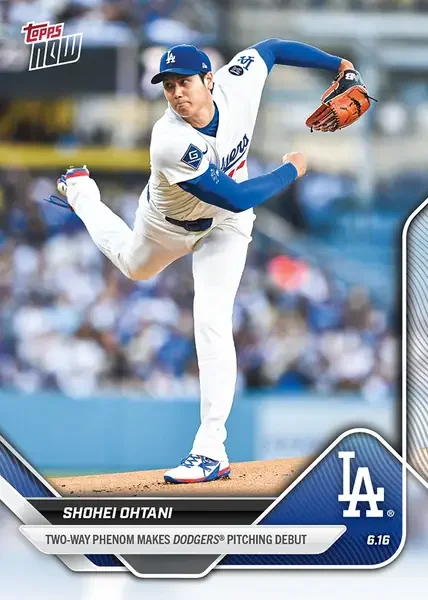
Chrome finishes, numbered parallels, certified autographs, and cards printed days after a big moment.
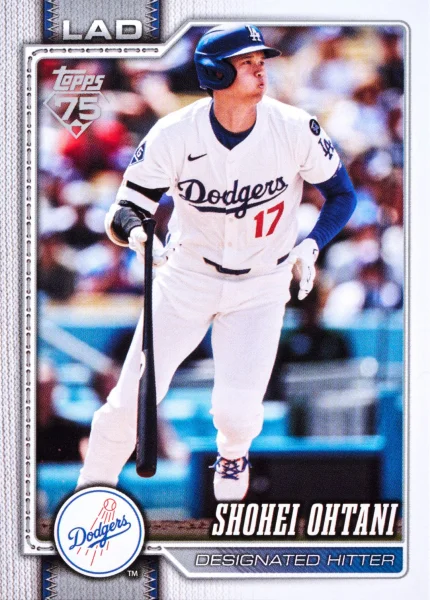
- Topps Now, like Shohei Ohtani's 2025 Dodgers pitching debut
Vintage sports cards connect us to history in a way modern cards can't. Holding a card from the 1950s means holding something that existed when your grandparents were young, when the players pictured were in their prime. This guide covers what you need to know about collecting vintage cards.
What Is Vintage
"Vintage" means different things to different collectors:
- Pre-war (before 1945)
The oldest cards. Tobacco cards from the late 1800s and early 1900s. Rarest and often most valuable.
- Post-war (1945-1969)
The golden age. Bowman and Topps dominated. Mantle, Mays, Aaron.
- 1970s
Sometimes included in "vintage." Quality improved but cards are more affordable.
The common definition: Most collectors consider pre-1980 cards "vintage." The early 1980s saw production explode, making older cards relatively scarcer.
This guide focuses on pre-1980 cards.
Reality Check: The timeline above is baseball-centric. Football and basketball have their own keys - 1957 Topps Football (Jim Brown RC), 1986-87 Fleer Basketball (Jordan RC).
Condition
Vintage cards are graded more leniently. Here's why:
- Centering
Poorly cut was normal. Off-centering is expected. Perfect centering is rare and valuable.
- Corners
Decades of existence mean wear. Sharp corners on 60+ year old cards are exceptional.
- Surface
Wax stains, primitive print defects, handling wear - all common.
- Creases
More accepted on vintage than modern.
Pro Tip: Lower-grade vintage is often the most affordable way to own certain cards.
Authenticity
Vintage cards face unique fraud risks:
- Trimming
Cutting cards to remove damaged edges and fake sharp corners. Grading companies check for this.
- Restoration
Adding color to worn areas, pressing out creases. Also fraud.
- Counterfeits
Valuable vintage cards have been faked. Reprints are common.
- Altered backs
Some sellers alter backs to remove damage. Always examine both sides.
How to protect yourself:
- Buy graded for anything expensive
- Research what authentic examples look like
- Buy from reputable dealers with return policies
- Be cautious with deals that seem too good to be true
Watch Out: Reprints are common. A "1952 Topps Mantle" listed for $50 is almost certainly a reprint.
Getting Started
Smart strategies for getting started:
- Start affordable
Common players from key sets before expensive stars. A 1952 Topps common lets you own history without spending thousands.
- Accept lower grades
PSA 3-5 vintage cards can be beautiful. Lower grades make cards you love much more affordable.
- Focus
Thousands of vintage cards exist. Pick a set, team, or era. Build something meaningful.
- Be patient
Unlike modern cards, vintage supply is fixed. The right card at the right price will come.
- Inspect in person
Photos hide issues. Card shows are great for this.
- Build relationships
Regular dealers give first looks and better prices to good customers.
Tip: Patience is your best asset. The right card at the right price usually comes around again.
Values
Vintage values work differently than modern:
- Fixed supply
Vintage cards will never increase in quantity. Only decrease as cards are lost or damaged.
- PSA population matters
High-grade vintage is rare. Check pop reports to understand actual scarcity.
- Star power crosses eras
Mantle, Mays, Aaron will always have demand. Lesser-known players have lower liquidity.
- Set completion creates demand
Collectors building sets need every card, even commons.
- Historical significance
First Topps card, milestone seasons often command premiums.
Important: Vintage sales are less frequent than modern. Comps are harder to find. Check multiple sources and consider condition differences.
The Bottom Line: Vintage is about owning pieces of history. The market rewards patience and knowledge.
Questions
Can SetScribe identify vintage cards?
Yes! SetScribe's AI can identify vintage cards from the 1950s forward with good accuracy. Earlier cards (tobacco era, pre-war) may require manual entry but can absolutely be tracked in your collection.
Should I get vintage cards graded?
For valuable cards, grading provides authentication and protects the card. For mid-value cards, it depends on whether the grading cost is justified. For common cards, raw storage in quality holders is usually sufficient.
Where's the best place to buy vintage cards?
Card shows let you inspect cards in person. COMC and eBay offer large selections online. Local card shops may have vintage inventory. For expensive purchases, established auction houses (Heritage, Goldin) provide authentication guarantees.
Is vintage card collecting a good investment?
Vintage cards of star players have historically appreciated over the long term. However, the market can be volatile short-term. Collect what you enjoy; any investment return is a bonus, not a guarantee.
Track Your Vintage Cards with SetScribe
SetScribe's AI can identify vintage cards from the 1950s forward. Log your vintage collection alongside modern cards in one organized database.
Card Inventory TrackerReady to Organize Your Collection?
Put what you've learned into practice. Start scanning and organizing your cards with SetScribe.