Sports Card Collecting 101
Everything beginners need to know to start collecting sports cards, from buying your first pack to building a meaningful collection.
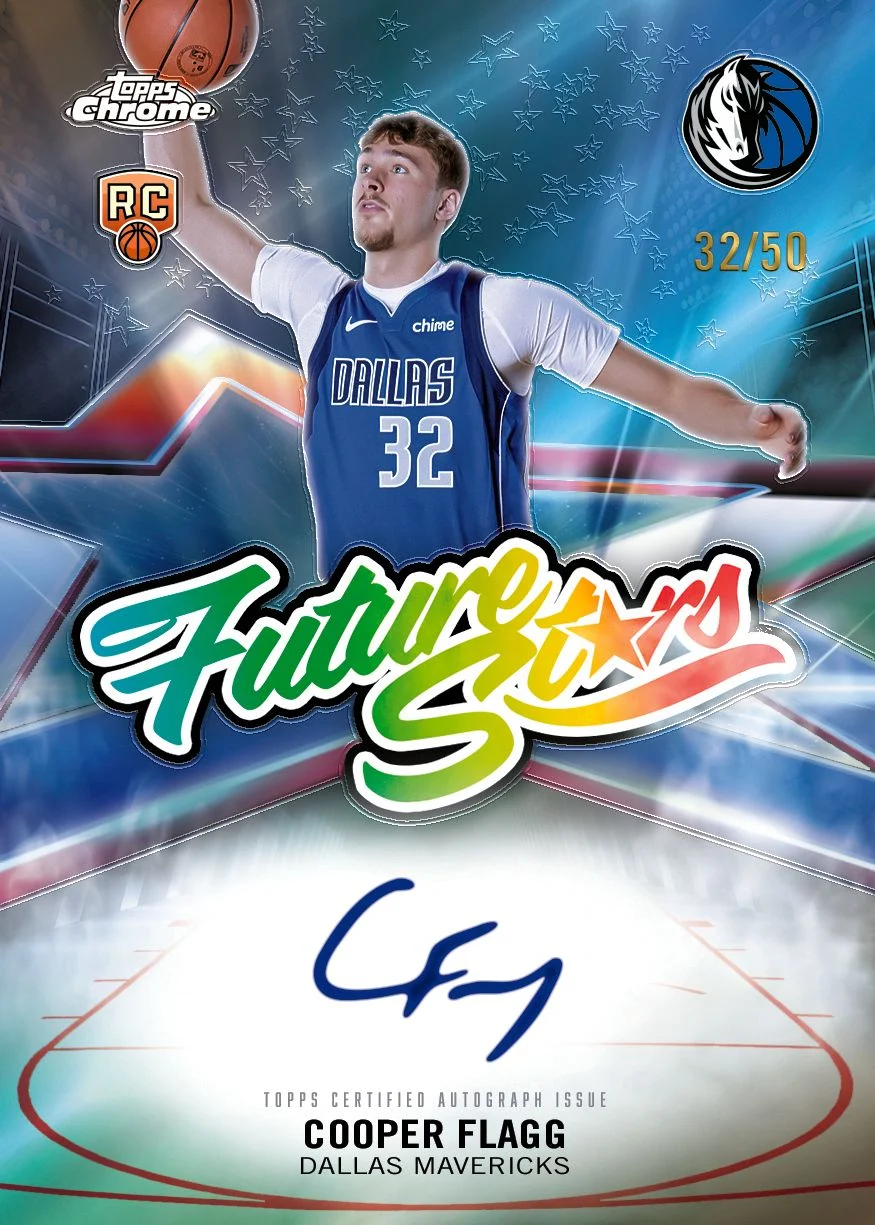
How to Read a Card
Tap a number to zoom in on that part of the card.
Sports card collecting combines nostalgia, sports fandom, and investment potential in a way few hobbies can match. Whether you're picking up where you left off as a kid or starting fresh, this guide covers everything you need to know to build a collection you're proud of.
Why Collect
People collect for different reasons. All of them are valid:
- Nostalgia
Cards connect us to childhood memories and sports moments.
- Investment
A LeBron rookie that sold for $100 in 2003 might sell for $10,000+ today.
- Fandom
Celebrate your favorite teams and players in a tangible way.
- The hunt
The thrill of opening packs, finding cards you need, discovering gems at shows.
- Community
Trade, share, and connect with other collectors.
The Bottom Line: If cards bring you joy, that's enough. You don't need to justify why you collect.
Card Types
Modern cards come in many varieties.
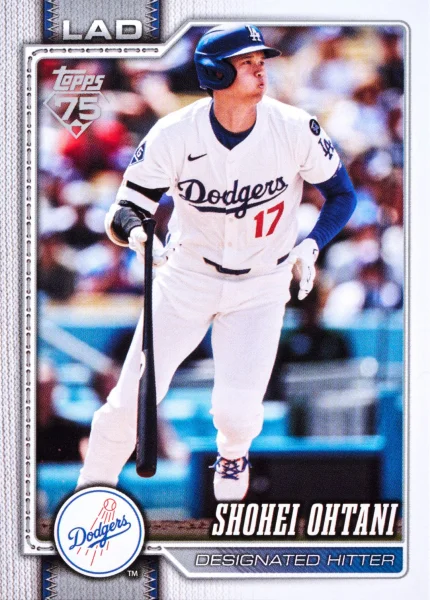
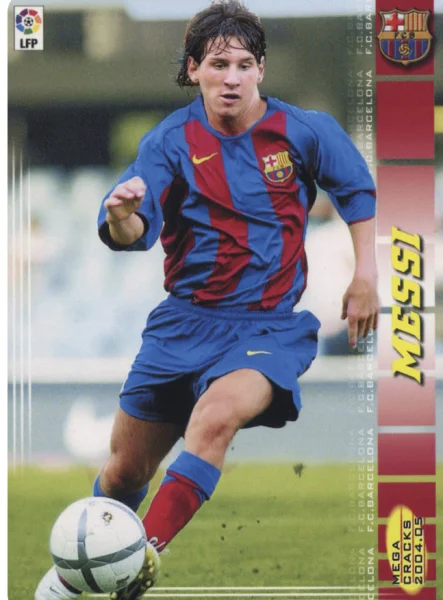
Base cardsStandard cards in a set. Most common, least valuable.2026 Topps Shohei Ohtani 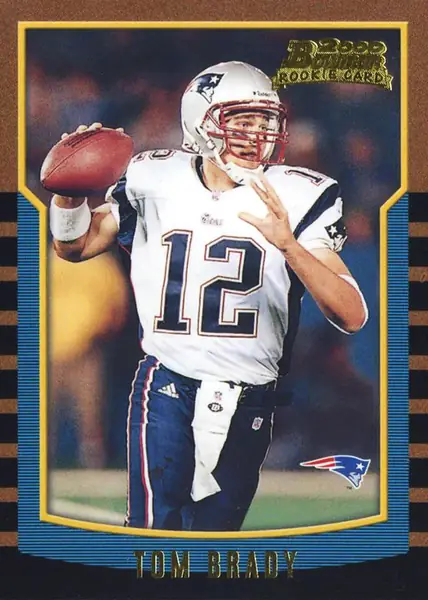
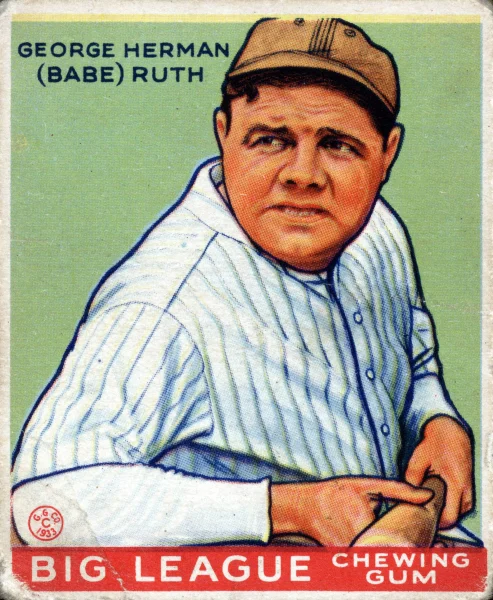
Rookie cards (RC)A player's first officially licensed card. Often the most desirable.2000 Bowman Tom Brady rookie 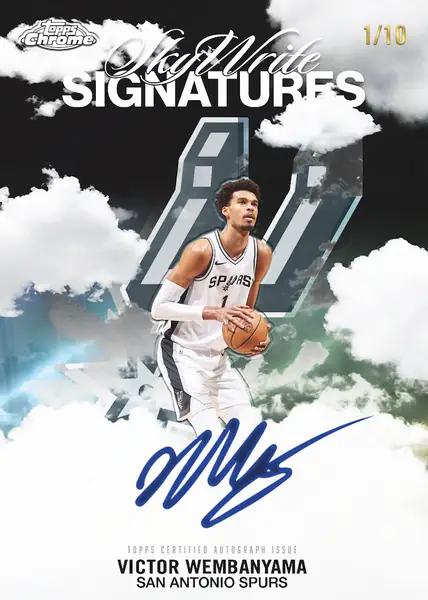
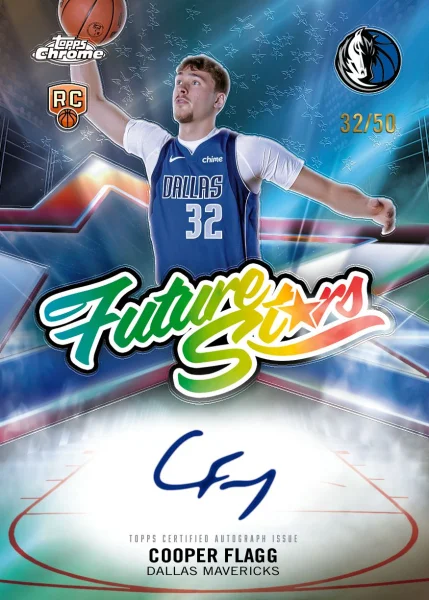
AutographsSigned by the player, authenticated by the company. Can be significantly valuable.2023 Topps Chrome Victor Wembanyama auto, numbered 1/10
- Parallels
Variants with different colors, finishes (refractors, prizms). Rarer and more valuable than base.
- Numbered cards
Print run noted on card (/99 means 99 exist). Lower numbers = more valuable.
- Memorabilia (Relics)
Contains game-worn jersey, bat, etc. Range from common to rare.
- Inserts
Special cards inserted at varying rates. Subsets, chase cards, special designs.
- Error cards
Printing mistakes later corrected. Most aren't valuable, but infamous ones (like the 1989 Fleer Billy Ripken) command premiums.
Where to Buy
Each place is good for something different.
| Where | Best for | Keep in mind |
|---|---|---|
| Retail stores | Beginners and casual packs | Popular products sell out fast |
| Local card shops | Hobby boxes, singles, and expert advice | Prices may be higher, but you support a local business |
| Online retailers | A wide selection of sealed product | Watch shipping costs |
| eBay | Finding a specific card | Use filters and check seller ratings |
| Card shows | Deals, and handling cards before you buy | Bring a budget |
| Facebook and Discord groups | Community sales at good prices | Be cautious with new sellers |
Tip: For beginners, buying singles of cards you actually want is usually better value than chasing them through packs.
Collecting Styles
No wrong way to collect, but having focus helps.
- Player collecting (PC)
Focus on one or a few favorite players. Get their rookies, parallels, autos, relics.
- Team collecting
Your favorite team across eras. Build comprehensive team history.
- Set building
Complete entire sets, checking off each card. Very satisfying.
- Rookie collecting
Focus on promising young players. Fun and potentially valuable.
- Vintage collecting
Specialize in older cards. Connects you to history.
- Theme collecting
Hall of Famers, draft picks, hometown players, etc.
Reality Check: There's no right way. Collect what you enjoy, and mix approaches if you like.
Storage
Good storage keeps your cards in the shape you got them in.
Essential supplies:
- Penny sleeves
Soft plastic, first layer of protection. Literally pennies each.
- Top loaders
Rigid holders for penny-sleeved cards. Good for storage and shipping.
- One-touch holders
Magnetic display cases. Great for your best cards.
- Card binders
Nine-pocket pages. Good for sets or cards you want to flip through.
- Card boxes
Bulk storage for commons.
Storage rules:
- Keep away from direct sunlight (fading)
- Avoid humidity (warping)
- Temperature-stable location
- Valuable cards in a secure spot or safe
Value
Card values depend on multiple factors:
- Player performance
Active players' values rise and fall with their play.
- Scarcity
Low print runs, parallels, short prints command higher prices.
- Condition
Better condition = higher value. Especially true for vintage.
- Demand
Popular players and teams command premiums.
- Market trends
The overall market fluctuates. COVID spike has since corrected.
How to research prices:
- Check eBay sold listings for recent comps
- Use Beckett (useful but not always current)
- Compare across platforms
- Consider condition differences between comps
Pro Tip: Asking prices vary a lot. Sold prices show what cards actually go for.
Mistakes to Avoid
A few easy ones to avoid:
- Buying too many packs
Pack odds aren't in your favor. Singles are almost always better value.
- Chasing hype
Cards spike after a big game, then crash. Buy players you believe in long-term.
- Overpaying for condition
For raw cards, ask for clear photos. "Near Mint" is subjective.
- Not tracking your collection
You'll buy duplicates. Use an app like SetScribe.
- Ignoring storage
Cards stored improperly lose value. Basic supplies aren't expensive.
- FOMO buying
Missed something? More cards are always coming, so there's no need to rush.
- Selling too quickly
A plan helps you sell at the right time.
Common Mistake: Treating every card like an investment. Most cards won't appreciate. Collect what you enjoy.
Community
The community makes the hobby better.
- Social media
Follow collectors, breakers, content creators on X, Instagram, YouTube.
- Reddit
r/baseballcards, r/footballcards, etc. Active discussion and trades.
- Discord
Real-time chat and sales in card communities.
- Local card shops
Events, breaks, meetups. Get to know the regulars.
- Card shows
Meet dealers, find deals, connect with collectors.
- Breaks
Group breaks where you buy spots and watch cases opened. Fun, but you're paying a premium for entertainment.
Pro Tip: The people you meet often become as valuable as the cards you collect.
Questions
How much money do I need to start collecting?
You can start with any budget. A few retail packs cost $5-20. Singles of common players cost under $1. Focus on what you enjoy rather than expensive cards when starting out.
Should I collect for investment or enjoyment?
Both are valid, but enjoyment is more sustainable. If you only collect for profit, market downturns will frustrate you. Collect what you love, and any appreciation is a bonus.
What's a "hit" when opening packs?
A "hit" typically refers to an autograph or memorabilia card. Hobby boxes usually guarantee a certain number of hits. Some collectors use the term more broadly for any valuable card.
How do I know if a card is authentic?
Buy from reputable sources. For high-value raw cards, look for consistent printing quality and card stock. For expensive cards, professional grading provides authentication. Be wary of deals that seem too good to be true.
Start Your Collection with SetScribe
SetScribe helps you track your collection from day one. Scan cards with AI, organize by player or team, and never lose track of what you own.
Card Inventory TrackerReady to Organize Your Collection?
Put what you've learned into practice. Start scanning and organizing your cards with SetScribe.